



Government Purchasing Agreements: A Small Business Guide to Winning Contracts

Small businesses want to grow in the public sector. Many small businesses see government purchasing deals as a key chance to succeed. This guide shows what these agreements mean, how to work with them, and steps to improve your success with contracts.
What Are Government Purchasing Agreements?
Government purchasing agreements are set up by governments with vendors. They agree on prices in advance and detail what goods or services will be bought. This setup helps government teams buy needed items without long bidding rounds.
For small businesses, these agreements bring a steady chance to supply products or services directly to government agencies. Because the terms are clear from the start, buying teams trust the cost and quality, while vendors gain a solid customer base.
Why Small Businesses Should Care About Government Purchasing Agreements
Small businesses often drive new ideas and economic growth. Government teams want to meet local and diverse vendor goals and set aside jobs for small businesses in these agreements.
Getting into these deals can bring:
- Steady Revenue Streams: These contracts last long and support a stable income.
- Credibility Boost: Being a government vendor can improve your company’s image.
- Access to Larger Markets: Many government parts mean more potential customers.
How to Find Government Purchasing Agreements Suitable for Your Business
The first step is to check which agreements match your business. Try these steps:
- Register Your Business: Sign up in the System for Award Management (SAM). This system holds the list of government vendors.
- Search Contract Vehicles: Use sites like the General Services Administration (GSA) Schedules or USASpending.gov to learn about existing agreements.
- Identify Set-Asides: Look for agreements or calls that set aside projects for small businesses.
- Network and Attend Events: Many government offices hold seminars or talks to guide small businesses.
- Engage with Procurement Technical Assistance Centers (PTACs): These centers help you understand the rules and the bidding steps.
Steps to Successfully Win Government Purchasing Agreements
Winning these deals needs more than finding them. Try these steps:
1. Understand the Requirements
Each agreement spells out needed tasks, standards, and rules. Read the terms on eligibility, product or service standards, and pricing rules.
2. Prepare Your Documentation
You must have clear records. Gather financial reports, past work details, quality certificates, and sometimes proofs of status such as Women-Owned or Veteran-Owned.
3. Submit a Compliant Proposal or Quote
Your proposal must be clear and complete. Use plain language and show how your business meets or goes beyond the clear rules.
4. Price Competitively Yet Profitably
Price matters. With pre-set prices in these agreements, you need to match cost limits while keeping your business healthy.
5. Keep Communication Open
Answer questions fast. This shows you are a reliable partner.
Key Challenges Small Businesses May Face
Small businesses sometimes face issues like:
- Complex Application Processes: Government paperwork can be hard.
- Competition From Large Vendors: Big companies may win more contracts.
- Changing Regulations: The rules change often.
Working with PTACs or experts in government deals can help you deal with these issues.
Benefits of Using Government Purchasing Agreements
Here are some clear advantages:
- Streamlined Procurement: The buying process is faster for both sides.
- Reduced Competition: Pre-set rules limit the competition to approved vendors.
- Long-Term Business Relationships: These deals may lead to many purchases over time.
Small Business Checklist for Government Purchasing Agreements
Use this checklist to begin:
- Register your business on SAM.gov.
- Find the government purchasing agreements that match your business.
- Check that you meet the rules for small business projects.
- Collect required certificates and supporting documents.
- Prepare and send proposals following the government rules.
- Watch over contract performance and follow all rules.
- Ask for help from PTACs or government procurement counselors.
Frequently Asked Questions About Government Purchasing Agreements
Q1: What is the difference between government purchasing agreements and contracts?
A1: Government purchasing agreements are broad plans that might include several vendors. They set common terms and help government teams get supplies quickly. Specific contracts are then given for individual needs under these plans.
Q2: How can small businesses find government purchasing agreements that match their work?
A2: Small businesses can use SAM.gov, GSA eLibrary, and other sites that filter deals by type, location, and small business rules. Talking with PTAC experts can also guide you to the right deals.
Q3: Are government purchasing agreements only for large companies?
A3: No. Many agreements include rules that support small business work. Some contracts set aside projects only for small businesses to support diversity in government buying.
The government marketplace holds a strong chance for small businesses that need steady income and growth. By mastering government purchasing agreements, you can win contracts that boost your reputation and expand your business.
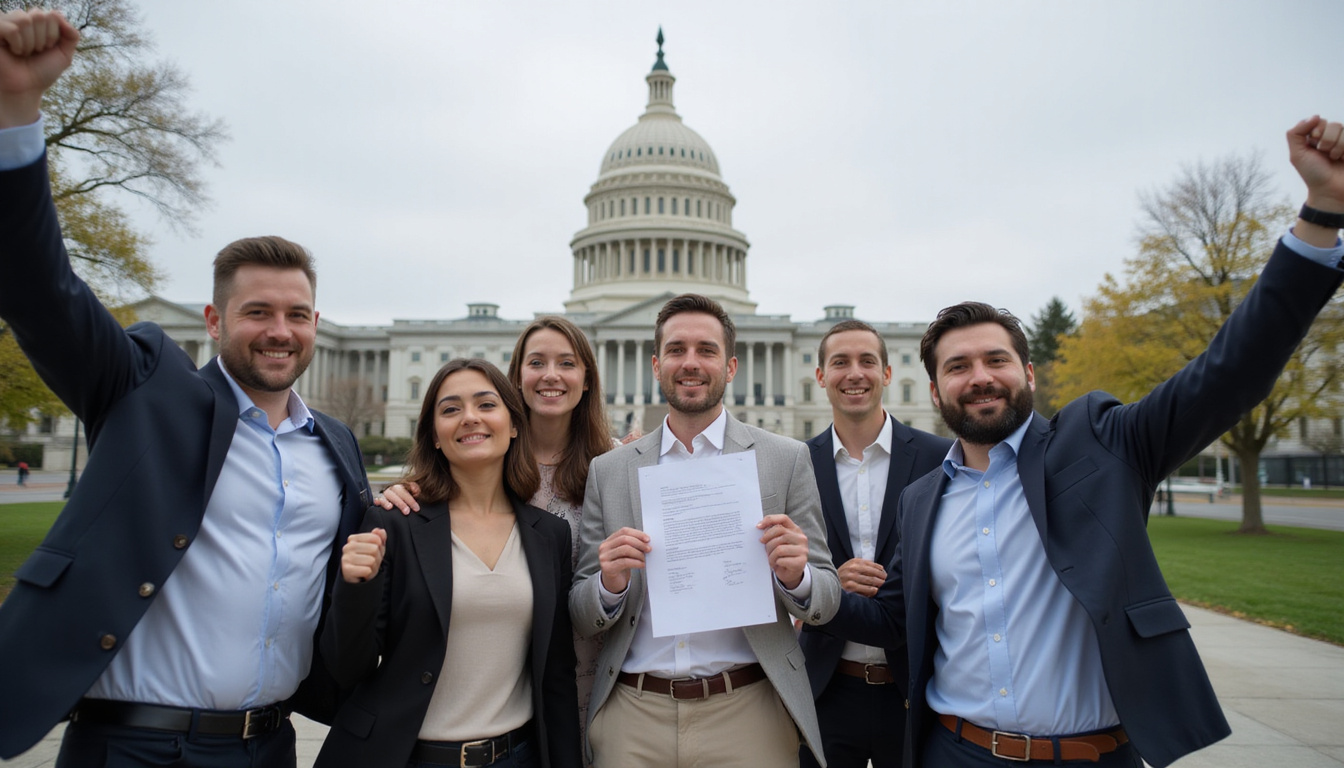
Ready to move ahead? Check out GovScout’s tools that help small businesses find government purchasing agreements and contract deals fast. Sign up today for updates and insights that keep you ahead in government work.
Leave a Reply